|
Dave's Book Tour
and Scholarly Presentations
Dave's latest book tour has officially ended. If you would like him to sign your copy of any of his books, you can bring a copy to an upcoming scholarly presentation, or contact him at dgolland-at-gmail.com.
|
|
 |
|
September 7, 2025
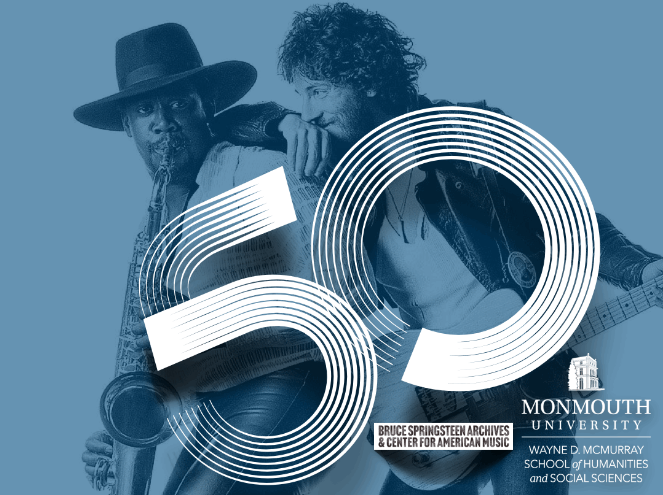
Bruce Springsteen's Born to Run at 50 Academic Conference
Monmouth University, West Long Branch, New Jersey
Springsteen and Race: The White Working Class and Cultural Appropriation in Rock
|
|
 |
|
August 10, 2024
Belmar Public Library, Belmar, New Jersey
Book Talk and Signing
Livin' Just to Find Emotion: Journey and the Story of American Rock

|
|
 |
|
July 27, 2024
Asbury Book Coop, Asbury Park, New Jersey
Book Talk and Signing
Livin' Just to Find Emotion: Journey and the Story of American Rock
|
|
 |
|
May 28 and June 4, 2024, 10:00am EDT
Faculty Psychotherapy Conference
Mount Sinai School of Medicine Department of Psychiatry, New York, New York
Virtual Appearance/Invited Talk
The Flexible Freudian: The Collected Works of Jeffrey Golland, Edited by David Golland
Dual presentation with Dr. Jeffrey Golland, PhD
|
|
 |
|
April 13, 2024, 10am-3pm
Taylor Pavillion, Belmar, New Jersey
Writer's Block Spring Book Fair
Livin' Just to Find Emotion: Journey and the Story of American Rock
|
|
 |
|
March 30, 2024
People's Book
Takoma Park, MD
Book Talk and Signing
Livin' Just to Find Emotion: Journey and the Story of American Rock
|
|
 |
|
March 27, 2024
NYC Book Launch
New York, New York
Livin' Just to Find Emotion: Journey and the Story of American Rock
|
|
 |
|
February 29, 2024
7:00PM EST
Conversations with Our Curator
Bruce Springsteen Archive and Center for American Music, West Long Branch, New Jersey
Virtual

|
|
 |
|
February 20 and 27, 2024
7:30PM EST
Adult Education Series
Monmouth University Center for the Arts, West Long Branch, New Jersey
Virtual Class
"Don't Stop Believin': Race and Class in Rock Music"
|
|
 |
|
February 6, 2024
Thunder Road Books, Spring Lake, New Jersey
Book Launch and Signing
Livin' Just to Find Emotion: Journey and the Story of American Rock
|
|
 |
|
January 24, 2024
Department of History and Anthropology Works in Progress Series
Monmouth University, West Long Branch, New Jersey
Invited Talk
The Flexible Freudian: The Collected Works of Jeffrey Golland, Edited by David Golland
Dual presentation with Dr. Jeffrey Golland, PhD
|
|
 |
|
January 5, 2024
2024 Arts, Humanities, Social Sciences & Education Conference
Hawaii University, Honolulu, Hawaii
Journey and Race: Cultural Appropriation in Corporate Rock
|
|
|
|
|
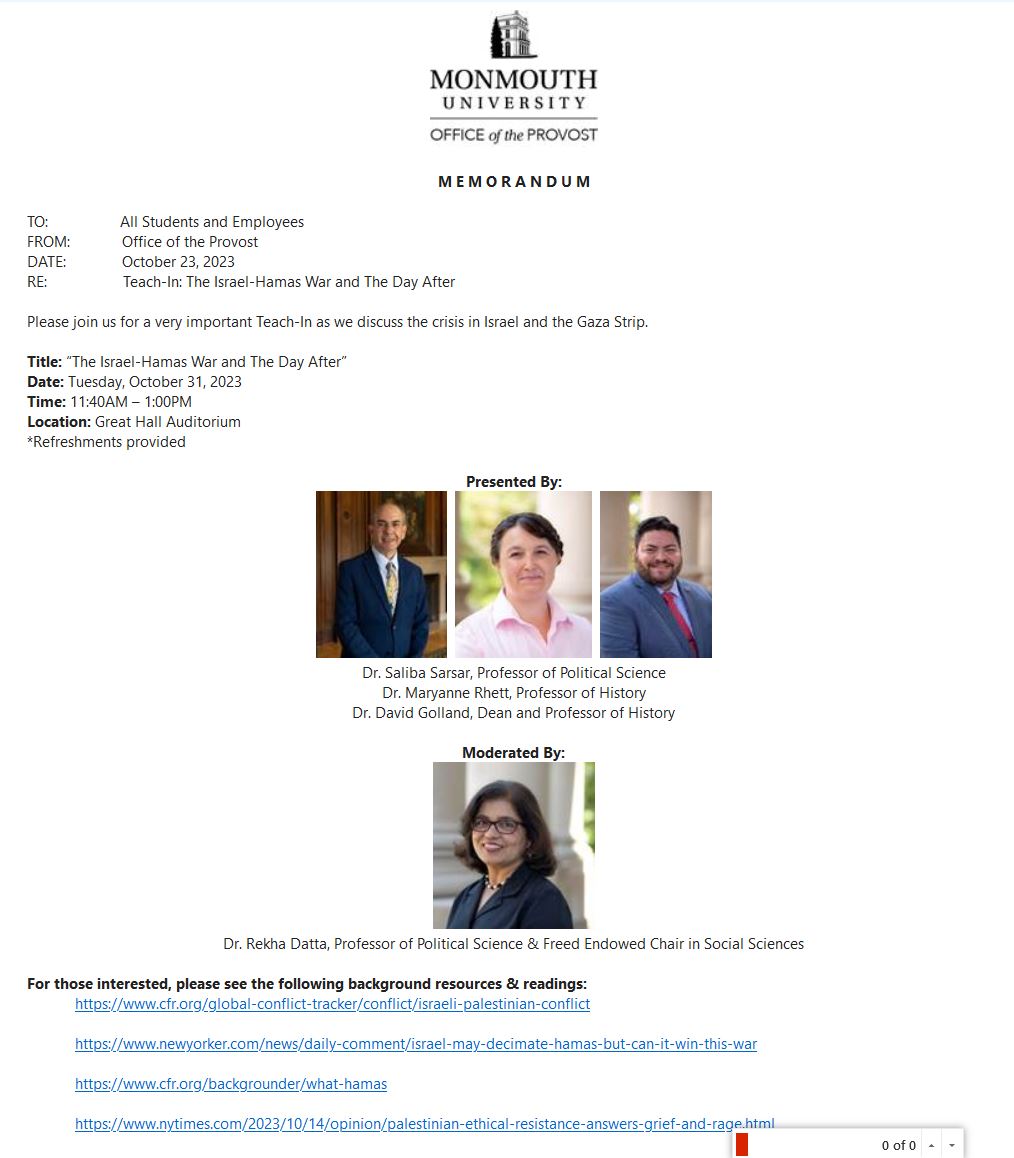
October 31, 2023
Teach-In: The Israel-Hamas War and the Day After
Monmouth University, West Long Branch, NJ.
Panelist
|
|
|
|
|
May 9, 2023, 10:00am EDT
Faculty Psychotherapy Conference
Mount Sinai School of Medicine Department of Psychiatry, New York, New York
Virtual Appearance/Invited Talk
From Tony Soprano to Arnel Pineda: Journey and the Integration of Modern Rock
|
|
 |
|
April 5-8, 2023
2023 Popular Culture Association Annual Conference
San Antonio, Texas
From Tony Soprano to Arnel Pineda: Journey and the Integration of Modern Rock
|
|
 |
|
March, 2023
Livin' Just to Find Emotion: The David Golland/Mark Ricche Book Interview
Parts 1-4 of 4
|
|
|
|
|
March 29, 2023
Department of History and Anthropology Works in Progress Series
Monmouth University, West Long Branch, New Jersey
Invited Talk
Journey and Race: Cultural Appropriation in Corporate Rock

|
|
|
|
|
March 4, 2023
New Jersey History Day
Monmouth University, West Long Branch, NJ.
Keynote
Journey in New Jersey: Race, Class, and the Re-Segregation of Popular Music
|
|
 |
|
March 2, 2023, 10:30am CST
Park Forest Public Library Potpourri
Park Forest, Ill.
Virtual Appearance
From Tony Soprano to Arnel Pineda: Journey and the Integration of Modern Rock
|
|
 |
|
January 8, 2023
American Historical Association Conference
Philadelphia, PA
Commentator/Chair
Black Female Empowerment through Education in the Late Nineteenth and Twentieth Centuries
|
|
 |
|
November 26-27, 2022
Philippine Studies Conference in Japan
University of Tokyo, Komaba Campus
Virtual Appearance
Journey and the Philippines: Arnel Pineda and the Integration of Modern Rock
|
|
 |
|
October 15, 2022, 4:00pm CDT
Midwest Popular Culture Association Conference
DePaul University, Chicago, IL
Journey and Race: Cultural Appropriation in Corporate Rock
|
|
 |
|
September 23-24, 2022
Midwest World History Association Conference
Grand Valley State University, Grand Rapids, MI
Journey and Race: Cultural Appropriation in Corporate Rock
|
|
|
|
|
June 16, 2022, 10:30am EDT
Faculty Psychotherapy Conference
Mount Sinai School of Medicine Department of Psychiatry, New York, New York
Virtual Appearance/Invited Talk
Journey and Race: Cultural Appropriation in Corporate Rock
|
|
|
|
|
April 14, 2022
2022 Popular Culture Association Annual Conference
Seattle, Washington
Virtual Appearance
Journey and Race: Cultural Appropriation in Corporate Rock
|
|
 |
|
February 26, 2022
10:30-11:45am EST
Florida Conference of Historians Annual Meeting
St. Leo University and Tampa, Florida
Journey and Race: Cultural Appropriation in Corporate Rock
|
|
 |
|
February 17, 2022
Columbia Basin Badger Club Black History Month Program
Pasco, Wash.
Virtual Webinar: Click HERE
Forum: Art Fletcher, Father of Affirmative Action
Featuring Nat Jackson and Sam Reed
Moderator: Othene Haywood
|
|
|
|
|
February 3, 2022, 10:30am CST
Park Forest Public Library Potpourri
Park Forest, Ill.
Virtual Appearance
Journey and Race: Cultural Appropriation in Corporate Rock
|
|
|
|
|
June 15, 2021, 10:00am EDT
Faculty Psychotherapy Conference
Mount Sinai School of Medicine Department of Psychiatry, New York, New York
Invited Talk
A Civil Rights Historian Reflects on the Presidential Transition
|
|
 |
|
Cancelled/COVID-19
June 2, 2021, 3:15pm MST
Policy History Conference
Tempe Mission Palms, Tempe, Arizona
Ironstone Room
Constructing Equal Employment Opportunity: Arthur Fletcher and Affirmative Action in the Building Construction Trades, 1969-1971
Labor Policy
(Rescheduled from June 3, 2020, due to COVID-19)
|
|
 |
|
May 27, 2021, 11:00am CDT
Labor and Working Class History Association 2021 Conference
University of Illinois, Chicago, Ill.
Virtual Appearance
Roundtable: Collective Bargaining from All Sides: Unionism, the Faculty Senate, Contingent Faculty, and Academic Administration
|
|
 |
|
April 26, 2021
Racism on a Global Scale
Singapore University of Social Sciences
Roundtable; Virtual Appearance
|
|
 |
|
April 15-18, 2021
Organization of American Historians Conference
Chicago, IL
Moderator; Virtual Appearance
Roundtable: Teaching African-American History in the #BlackLivesMatter Era
|
|


|
|
April 2, 2021
Society for History in the Federal Government Annual Meeting
Robert C. Byrd Center for Congressional History and Education, Shepherdsville, WV
Virtual Appearance
The Oral History of Affirmative Action: Reconstructing the Philadelphia Plan and Arthur Fletcher
Oral History of Communities
(Rescheduled from March 13, 2020, due to COVID-19)
Aired on C-SPAN 3's American History TV:
Jun 12, 2021 | 7:05pm EDT
Jun 13, 2021 | 5:05am EDT
Jun 20, 2021 | 11:05am EDT
|
|
|
|
|
March 25, 2021, 10:30am CDT
Park Forest Public Library Potpourri
Park Forest, Ill.
Virtual Appearance/Invited Talk:
A Civil Rights Historian Reflects on the Presidential Transition
|
|

|
February 24, 2021, 6:00pm, CDT
Legacy Washington
Olympia, Wash.
Virtual Appearance/Invited Talk
"Art Fletcher and Right-wing Hatefulness"
With:
John Hughes, Historian, Office of the Secretary of State
Bob Young, award-winning retired reporter, Seattle Times
Lunch & Learn Virtual Presentation Series
On-demand: watch this page for a link.
|
|
 |
|
February 11, 2021, 7:00pm EST
Gerald R. Ford Presidential Museum
Grand Rapids, MI
Virtual Appearance
Book Talk: A Terrible Thing to Waste
|
|
 |
|
January 14, 2021
Going Viral with Jim Dingeman
New York, NY
Invited Talk
The 1619 Project and Historiographical Controversy

|
|
|
|
|
Cancelled/COVID-19
January 7-10, 2021
American Historical Association 135th Annual Meeting
Seattle, WA
Workshop on the Teaching Statement
Invited Presenter and Facilitator
|
|
 |
|
November 7, 2020
Democratizing Knowledge: Examining Archives in the Post-Custodial Era
2020 Dean Hopper Conference, Drew University
Madison, NJ
Virtual Appearance
A Terrible Thing to Waste: The Government Archive and African American History
|
|
 |
|
October 21, 2020
Oral History Association 2020 Conference
Virtual Appearance
Oral History as African American Biography: Reassembling A Terrible Thing to Waste
Oral History and Biography
|
|
|
|
|
October 20, 2020
Faculty Psychotherapy Conference
Mount Sinai School of Medicine Department of Psychiatry, New York, New York
Invited Talk/Virtual Appearance
In Consideration of Confidence: Reflections on the Role of the Faculty Senate in Response to University Threats
(Rescheduled from June 9, 2020, due to COVID-19)
|
|
 |
|
October 19, 2020
National Center for the Study of Collective Bargaining in Higher Education and the Professions 2020 Conference
Hunter College, New York, NY
Virtual Appearance
Roundtable: Collective Bargaining from All Sides: Unionism, the Faculty Senate, Contingent Faculty, and Academic Administration
(Rescheduled from March 31, 2020, due to COVID-19)
(my presentation 20:50; Q&A 39:45)
|
|
 |
|
September 24, 2020
Washburn University, Topeka, Kansas
Virtual Appearance
Book Talk: A Terrible Thing to Waste (in conjunction with iRead)
|
|
|
|
|
June 15, 2020
Going Viral with Jim Dingeman
New York, NY
Invited Talk
Civil Rights History in the context of COVID-19 and Police Violence
with Dr. Kristoffer Burrell, Hostos Community College/CUNY
|
|
 |
|
April 21, 2020
Robert J. Dole Institute of Politics, Lawrence, Kansas
Invited Talk/Virtual Appearance
A Terrible Thing to Waste: Arthur Fletcher and the Conundrum of the Black Republican
|
|
 |
|
Postponed/COVID-19
April 18, 2020 TBA
The Future of the University Conference
University of Tulsa, Tulsa, OK
In Consideration of Confidence: Reflections on the Role of the Faculty Senate in Response to University Threats
|
|
|
|
|
January 30, 2020
Park Forest Public Library Potpourri
Park Forest, IL
Invited Talk
A Terrible Thing to Waste: Arthur Fletcher and the Conundrum of the Black Republican
|
|
|
|
|
January 4, 2020
American Historical Association 134th Annual Meeting
New York Hilton, New York, NY
"From Ferguson to Chicago s South Side: How Faculty Respond to Major News Events"
Historians Engaging with Processes of Transitional Justice, Session 1
|
|
 |
|
November 22, 2019
American Society for Legal History 2019 Annual Meeting
Boston Park Plaza, Boston, MA
"A Case is a Terrible Thing to Waste: Arthur Fletcher, Griggs v. Duke Power, and the American Workplace"
The Fiftieth Anniversary of the Demise of the Warren Court
|
|
 |
|
October 18, 2019
Pennsylvania Historical Association 2019 Annual Meeting
Indiana University of Pennsylvania, Indiana, PA
"The Man with the (Philadelphia) Plan: Arthur Fletcher and Affirmative Action in the Building Construction Trades"
|
|
 |
|
October 7, 2019
WGN Nightside
Chicago, IL
"A Terrible Thing to Waste: Arthur Fletcher and the Conundrum of the Black Republican"
|
|
 |
|
September 27, 2019
The Knowledge Exchange Lunch & Learn Lecture Series
Governors State University, University Park, IL
Invited Talk
A Terrible Thing to Waste: Arthur Fletcher and the Conundrum of the Black Republican
|
|
 |
|
June 12, 2019
NYC Book Launch
New York, New York
A Terrible Thing to Waste: Arthur Fletcher and the Conundrum of the Black Republican
|
|
|
|
|
June 11, 2019
Faculty Psychotherapy Conference
Mount Sinai School of Medicine Department of Psychiatry, New York, New York
Invited Talk
"Man of Rage: Arthur Fletcher and the United States Commission on Civil Rights, 1990-1995"
|
|
|
|
|
May 18, 2019
Governors State University Commencement
Tinley Park Convention Center, Tinley Park, IL
Commencement Address
"The Power of Education through the Life of Arthur Fletcher"
|
|
 |
|
May 14, 2019
On the Table: Memo to the Mayor
Chicago Community Trust
Governors State University, University Park, IL
Facilitator
|
|
|
|
|
May 9, 2019
Chicago-area Book Launch
Governors State University, University Park, IL
A Terrible Thing to Waste: Arthur Fletcher and the Conundrum of the Black Republican
|
|
 |
|
October 6, 2018
Association for the Study of African American Life and History Annual Conference
Marriott Downtown, Indianapolis, Indiana
"The Man with the (Philadelphia) Plan: Arthur Fletcher and Affirmative Action in the Building Construction Trades"
|
|
|
|
|
May 29, 2018
Faculty Psychotherapy Conference
Mount Sinai School of Medicine Department of Psychiatry, New York, New York
Invited Talk
"Bush for President: The Civil Rights Struggle within the GOP during the Reagan Administration"
|
|
|
|
|
May 19, 2018
Governors State University Commencement
Tinley Park Convention Center, Tinley Park, IL
Commencement Address
"Here, You Are"
|
|
|
|
|
May 18, 2018
Honorary Degree Dinner
Governors State University, University Park, IL
Invited Talk
"Marty Castro and the United States Civil Rights Commission"
|
|
|
|
|
March 8, 2018
Park Forest Public Library Potpourri
Park Forest, IL
Invited Talk
"Blood, Sweat & Tears: Revisiting Martin Luther King and Robert F. Kennedy"
|
|
 |
|
February 25, 2018
Park Forest Historical Society
Park Forest Village Hall, Park Forest, IL
Invited Talk
"The Great Migration"
|
|
|
|
|
November 11, 2017
Exploring Race, Gender, and Leadership in History and Global Societies: Mid-Atlantic World History Association Biennial Interdisciplinary International Conference on Race
Monmouth University, West Long Branch, New Jersey
"Man of Rage: Arthur Fletcher and the United States Commission on Civil Rights, 1990-1992"
|
|
|
|
|
May 30, 2017
Faculty Psychotherapy Conference
Mount Sinai School of Medicine Department of Psychiatry, New York, New York
Invited Talk
"History by Braille: Uncovering Origins with Minimal Sources"
|
|
 |
|
March 21, 2017
Convicted: The Scottsboro Boys Trial and Its Impact on the Black Lives Matter Movement
Governors State University, University Park, IL
Faculty Panelist
|
|
|
|
|
May 24, 2016
Faculty Psychotherapy Conference
Mount Sinai School of Medicine Department of Psychiatry, New York, New York
Invited Talk
"Roller Coaster: Arthur Fletcher, Black Republicanism, and the White Backlash, 1971-1979"
|
|
 |
|
March 17-19, 2016
Resistance: Borders and Power, Social Justice and Community: 44th Annual National Association for Ethnic Studies Conference
University of Arizona, Tucson
Conference Committee Chair
"Affirmative Action in the Building Trades: Arthur Fletcher Comes to Tucson, 1969-1970"
|
|
|
|
|
May 26, 2015
Faculty Psychotherapy Conference
Mount Sinai School of Medicine Department of Psychiatry, New York, New York
Invited Talk
"From Black Kiss to Black Captain: Race, Gender, and a Half Century of Star Trek"
|
|
 |
|
March 26-28, 2015
Fixing the Ballot: 43rd Annual National Association for Ethnic Studies Conference
Mississippi State University, Mississippi State, MS
Conference Committee Chair; impromptu presentation on Arthur Fletcher
|
|
 |
|
December 4, 2014
Understanding Ferguson: Implications, Ramifications, and Consequences
Governors State University, University Park, IL
Faculty Panelist
Click HERE for my remarks.
|
|
 |
|
November 6, 2014
How Far We Have Come, How Far We Have Yet to Go! Student Civil Rights Conference
Governors State University, University Park, IL
Keynote Speaker
"Affirmative Action 'From the Ground Up': The Civil Rights Act of 1964 and a New Definition of Equal Employment Opportunity"
|
|
|
|
|
September 27, 2014
5th Annual Midwest World History Association Conference
"Rights" in World History
Governors State University, University Park, IL
"Affirmative Action 'From the Ground Up': The Civil Rights Act of 1964 and a new definition of Equal Employment Opportunity"
|
|
|
|
|
April 11, 2014
Organization of American Historians conference
Atlanta, Georgia
"Affirmative Action 'From the Ground Up': The Civil Rights Act of 1964 and a new definition of Equal Employment Opportunity"
|
|
 |
|
April 5, 2014
42nd Annual National Association for Ethnic Studies conference
Mills College, Oakland, California
"From Black Kiss to Black Captain: Race, Gender, and a Half Century of Star Trek"
|
|
|
|
|
January 4, 2014
|
|
 |
|
April 12, 2013
41st Annual National Association for Ethnic Studies conference
Colorado State University, Fort Collins, Colorado
"From Pasco, Washington, to Washington, DC: Arthur Fletcher and the American Dream, 1965-1968"
|
|
 |
|
October 19, 2012
North American Labor History conference
Wayne State University, Detroit, Michigan
"Constructing Equal Employment Opportunity: Arthur Fletcher and the Philadelphia Plan, 1969-1971"
Golland questions keynote speaker Gerald Horne:
(scroll to 00:58:35; five minutes with response)
|
|
|
|
|
May 29, 2012
Faculty Psychotherapy Conference
Mount Sinai School of Medicine Department of Psychiatry, New York, New York
Invited Talk
"Go West, Brother Man: Challenges Faced by an African-American Politician in California, 1959-1965"
|
|
|
|
|
April 19, 2012
Organization of American Historians conference
Milwaukee, Wisconsin
"Constructing Equal Employment Opportunity: Arthur Fletcher and the Philadelphia Plan, 1969-1971"
Golland questions The History Guys:
(scroll to 1:10:00; four minutes with response)
|
|
|
|
|
October 22, 2011
North American Labor History conference
Wayne State University, Detroit, Michigan
"From Pasco, Washington, to Washington, DC: Arthur Fletcher and the American Dream, 1965-1968"
|
|
|
|
|
August 13, 2011
American Historical Association Pacific Coast Branch conference
Seattle, Washington
"Go West, Brother Man: Challenges Faced by an African-American Politician in California, 1959-1965"
|
|
 |
|
July 9, 2011
Historians of the Twentieth Century United States conference
St. Ann s College, Oxford University, Oxford, England
"Go West, Brother Man: Challenges Faced by an African-American Politician in California, 1959-1965"
|
|
 |
|
June 20, 2011
National Conference on Civil Rights
Philadelphia, Mississippi
"Constructing Equal Employment Opportunity: Arthur Fletcher and the Philadelphia Plan, 1969-1971"
|
|
 |
|
June 3, 2011
Social Science Research Council conference
Columbia University, New York, NY
"A Mind is a Terrible Thing to Waste: Arthur Fletcher, Religion, and the American Underclass"
|
|
|
|
|
May 24, 2011
Faculty Psychotherapy Conference
Mount Sinai School of Medicine Department of Psychiatry, New York, New York
Invited Talk
"Analyzing the Impact of a Black Republican: Arthur A. Fletcher in Washington State, 1965-1969"
|
|
 |
|
April 7-9, 2011
39th Annual National Association for Ethnic Studies conference
Claremont Graduate University, Claremont, California
"Go West, Brother Man: Challenges Faced by an African-American Politician in California, 1959-1965"
|
|
 |
|
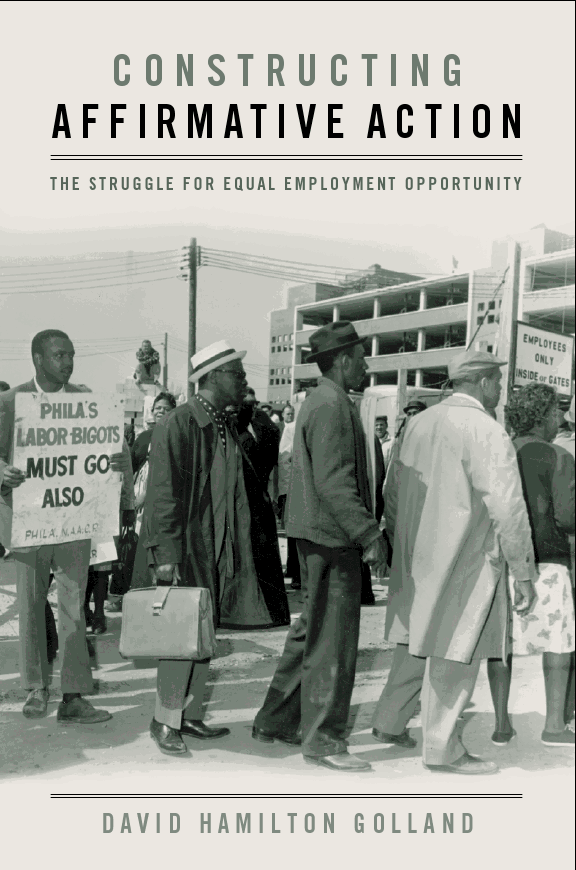
April 1, 2011
Book Launch
New York, NY
Constructing Affirmative Action: The Struggle for Equal Employment Opportunity
|
|
 |
|
February 5, 2011
Association for African American Historical Research and Preservation conference
Northwest African American Museum, Seattle, Washington
"From Pasco, Washington, to Washington, DC: Arthur Fletcher and the American Dream, 1965-1968"
|
|
|
|
|
November 12, 2010
Mid-Atlantic World History Association Biennial Interdisciplinary International Conference on Race
Monmouth University, West Long Branch, New Jersey
"Constructing Equal Employment Opportunity: Arthur Fletcher and the Philadelphia Plan, 1969-1971"
|
|
 |
|
December 4-5, 2003
Race and Labor Matters Conference
City University of New York Graduate Center, New York, New York
"The Philadelphia Plan, The AFL-CIO, and the Politics of Race Hiring"
|
|
|
|